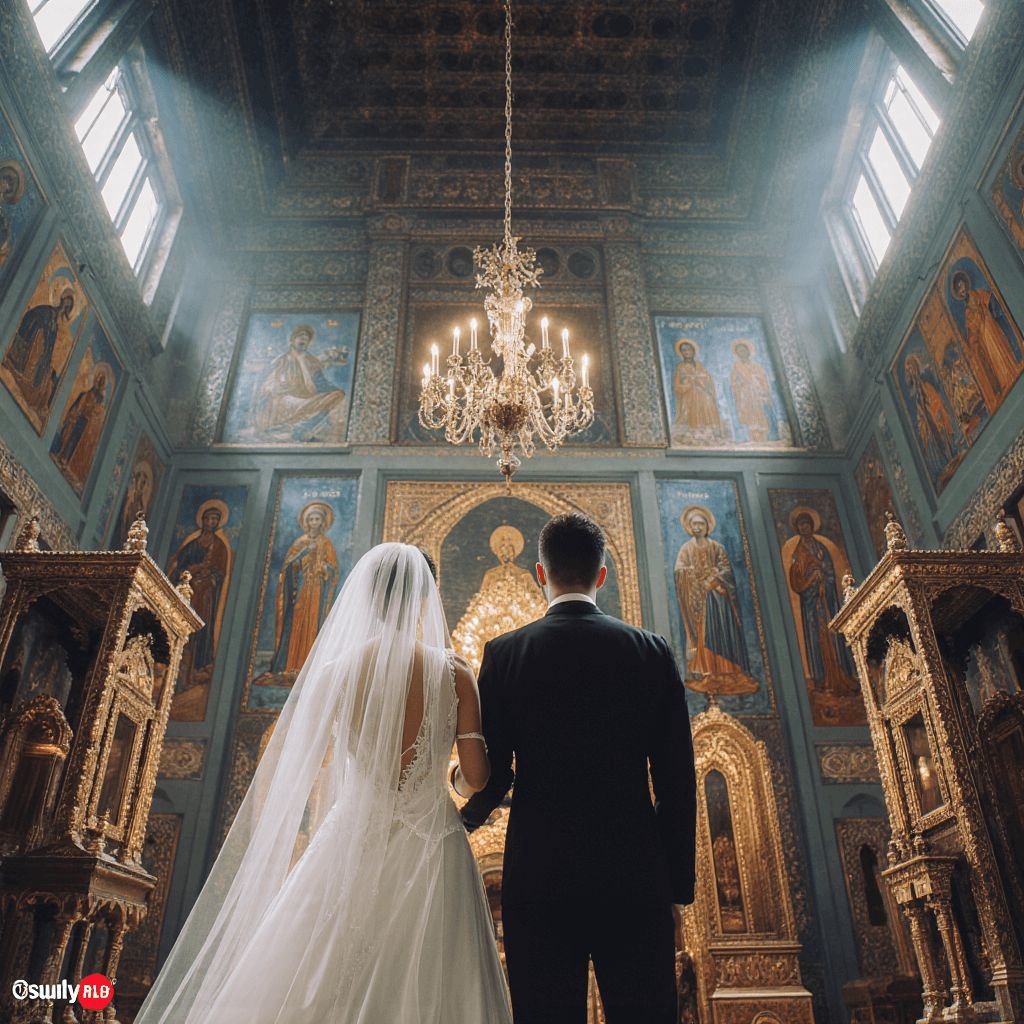
Georgia or Greece: Where to Host the Perfect Wedding Abroad – Comparing Formats, Prices, and Options
Content
- Legal aspects of marriage registration: where is it easier and faster to formalize a union?
- Wedding Locations: Georgia's Mountains Versus Greece's Seascapes
- Climate and Seasonality: When is the Best Time to Plan a Ceremony?
- Comparison table: Georgia or Greece
- Format options: from intimate ceremonies to large-scale wedding events
- Documents and requirements for marriage registration by foreigners
- Wedding infrastructure and service level
- Flights, transfers, convenience for guests
- The Best Regions for a Wedding: Where to Find the Perfect Location
- Georgian Flavor vs. Greek Atmosphere: Wedding Style, Traditions, and Aesthetics
The Caucasus is an amazing region that offers an atmosphere of heartfelt warmth, where mountains and vineyards create a unique romantic setting infused with national character. Greece, on the other hand, is all about the warm sea, ancient ruins, and islands where a wedding feels like a living myth. In Georgia, couples are welcomed with hospitality and traditions, while in Greece they encounter refinement and timeless beauty.
Legal aspects of marriage registration: where is it easier and faster to formalize a union?
In Georgia, marriage registration for foreigners is incredibly fast and straightforward. All you need are passports, and translations and apostilles can be arranged on-site. A marriage can be officially registered within one or two days, or even within a few hours if needed. This simplicity makes the country highly attractive for couples who want to formalize their relationship without lengthy bureaucratic procedures or delays.
In Greece, however, you’ll face traditional European bureaucracy. You will need a certificate of no impediment from your country of residence, notarized translations, apostilles, and sometimes even a residence permit. All of this turns wedding preparation into a longer and more expensive process. Therefore, Georgia is the perfect choice for those who value speed, while Greece is preferable when a European marriage certificate is required.
Wedding Locations: Georgia's Mountains Versus Greece's Seascapes
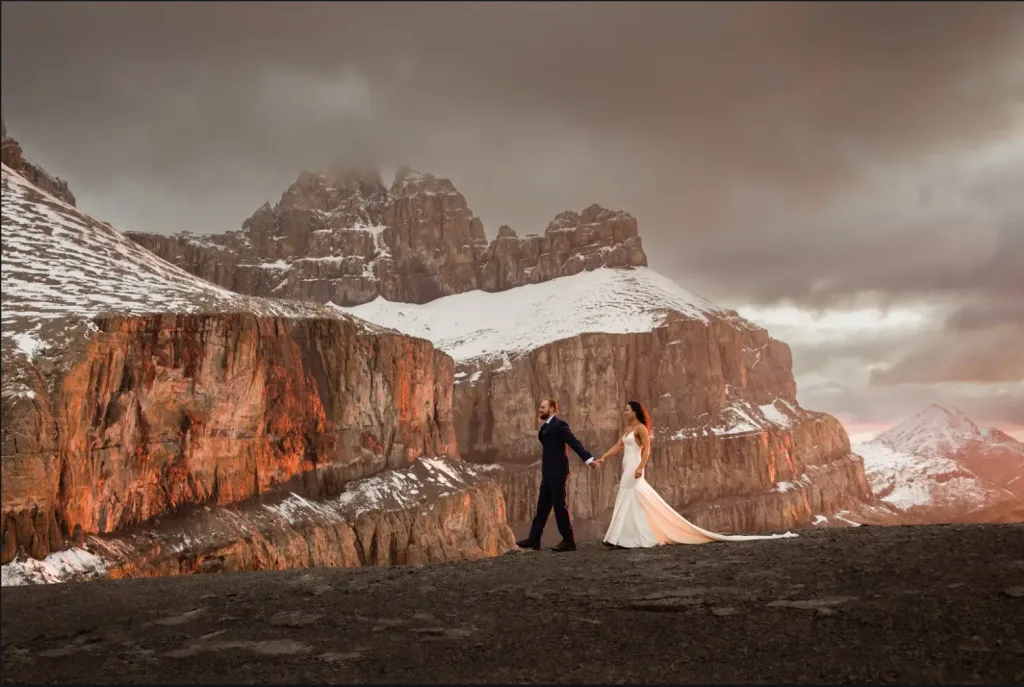
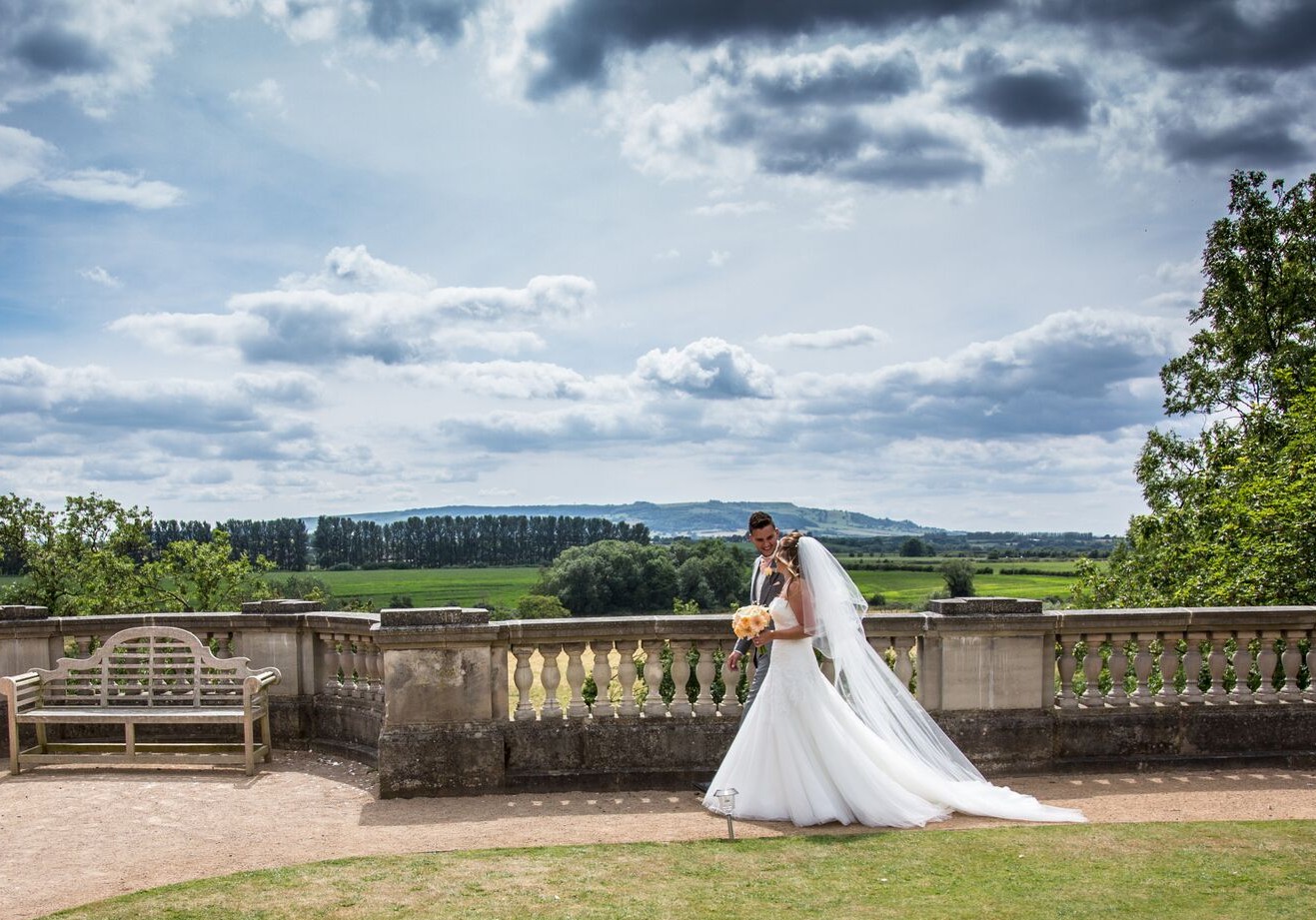
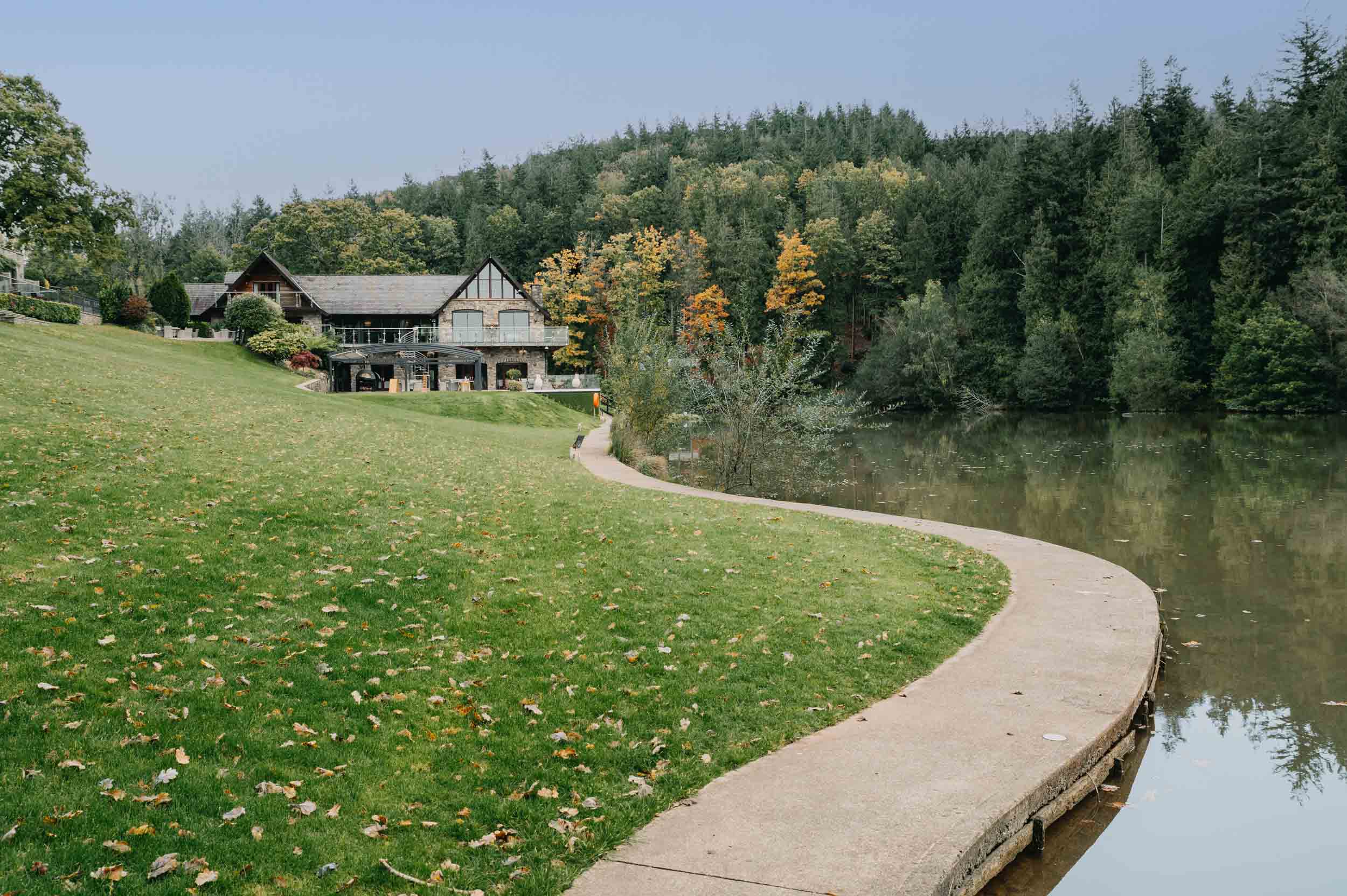
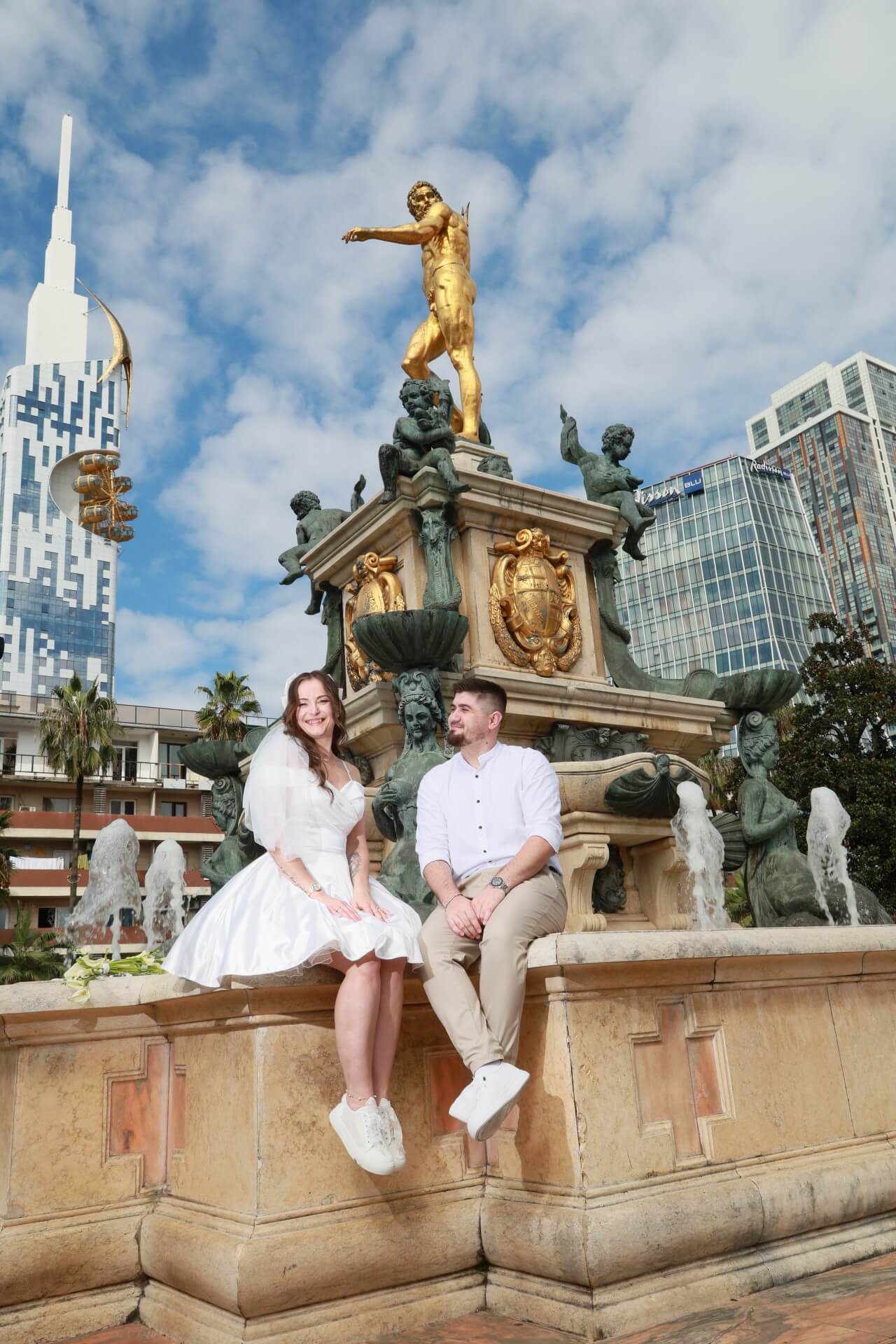
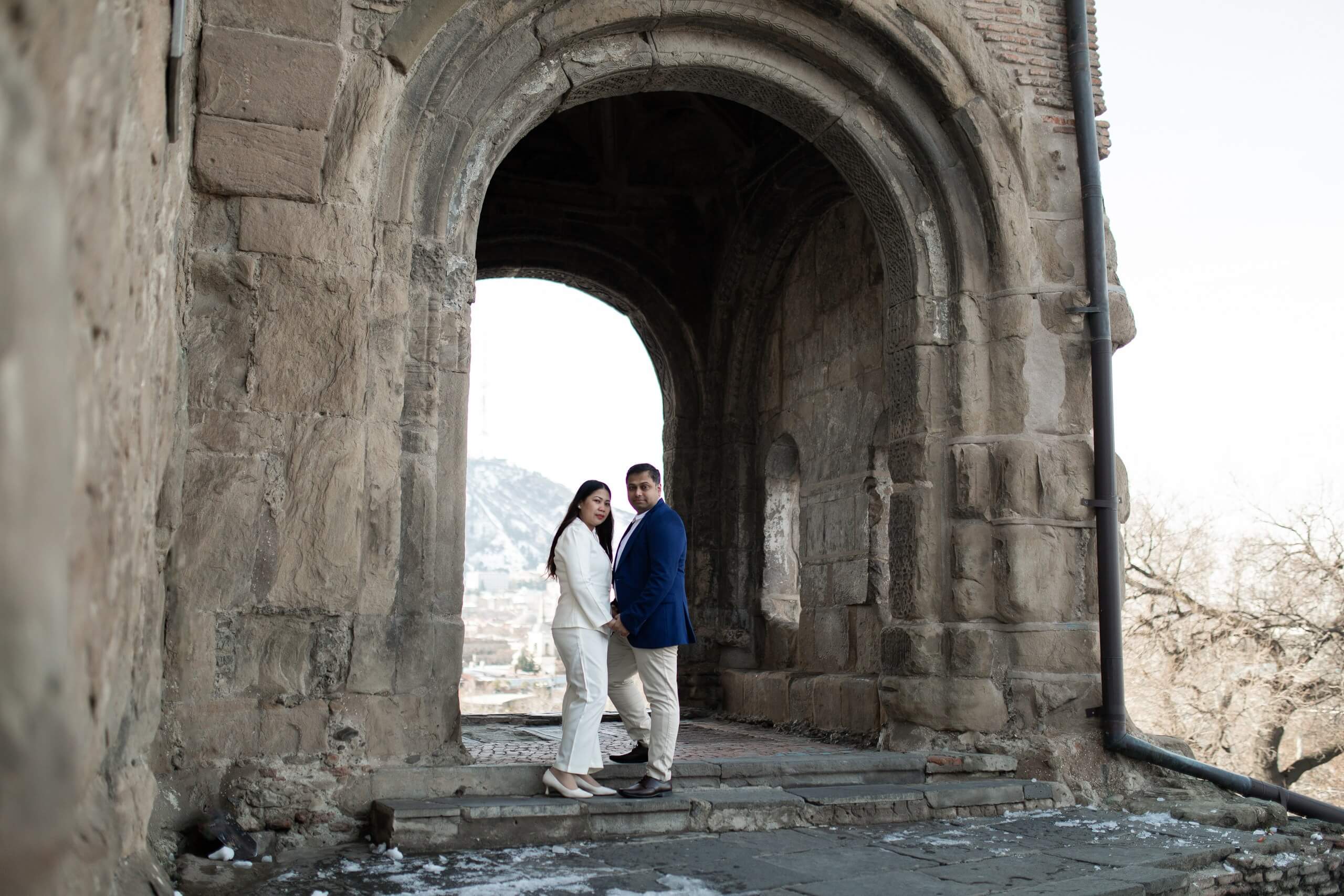
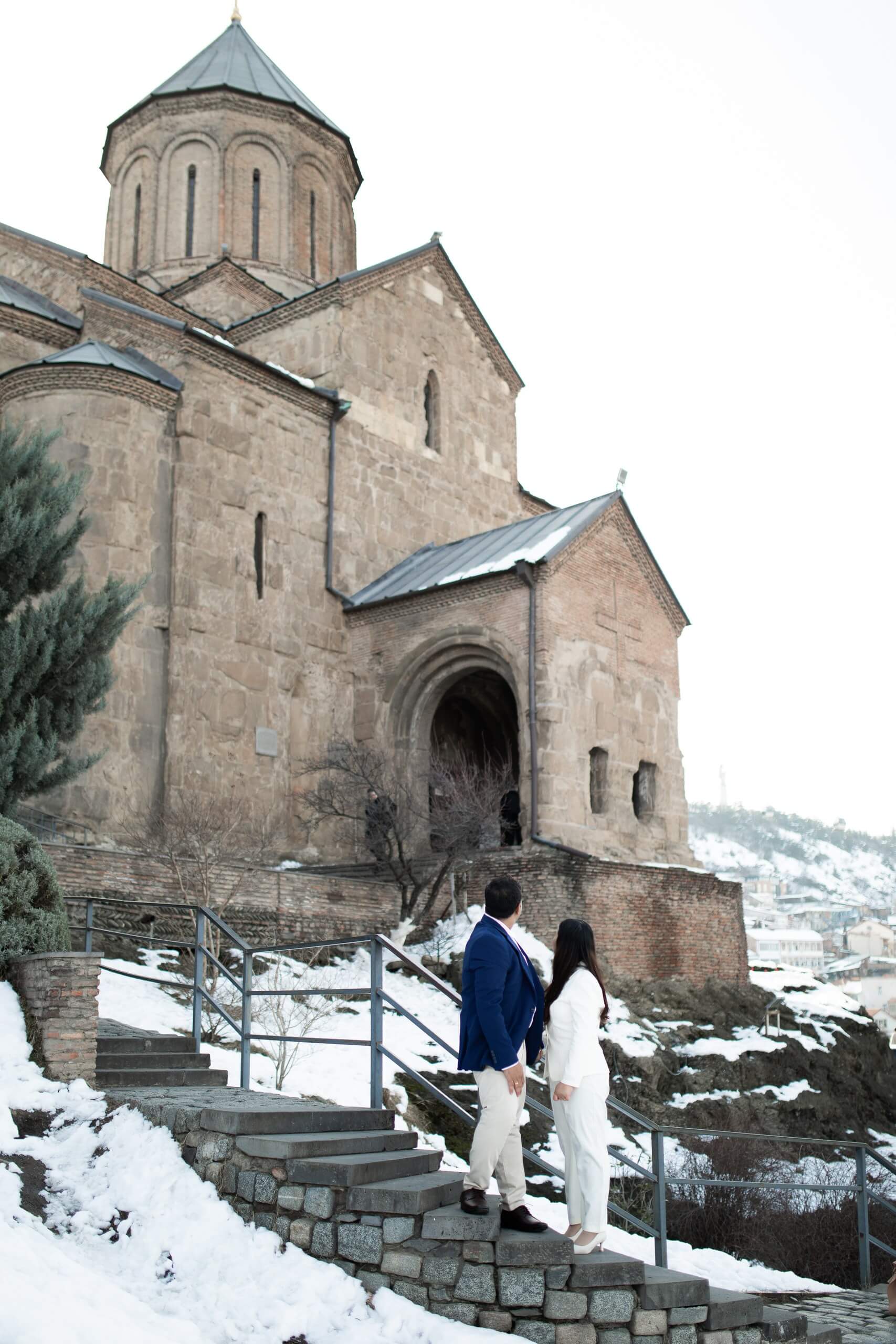
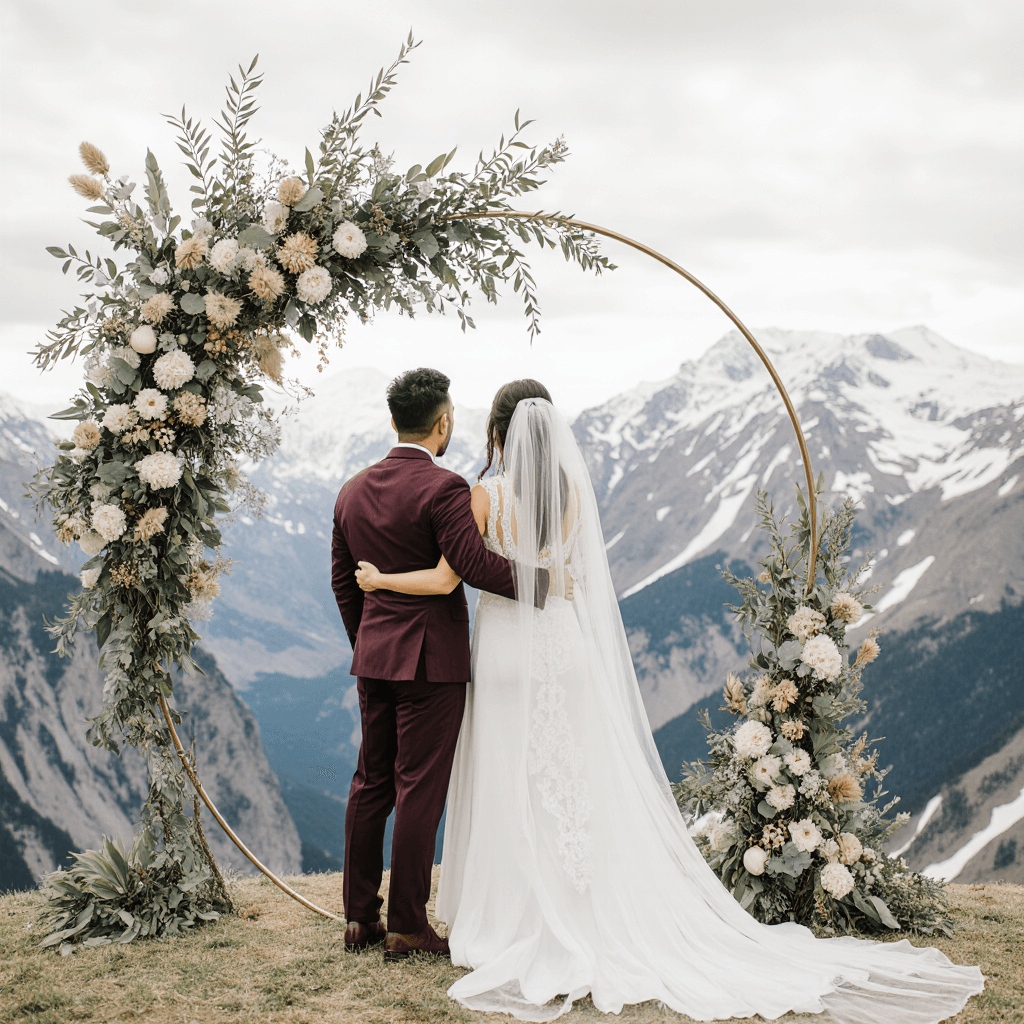
The Caucasus seems made for lovers. It remains an ideal destination for those dreaming of a wedding set against majestic mountains, vineyards, ancient fortresses, and monasteries. In Georgia, nature and culture blend seamlessly, and together with traditional hospitality, they transform the celebration into a warm and soulful event.
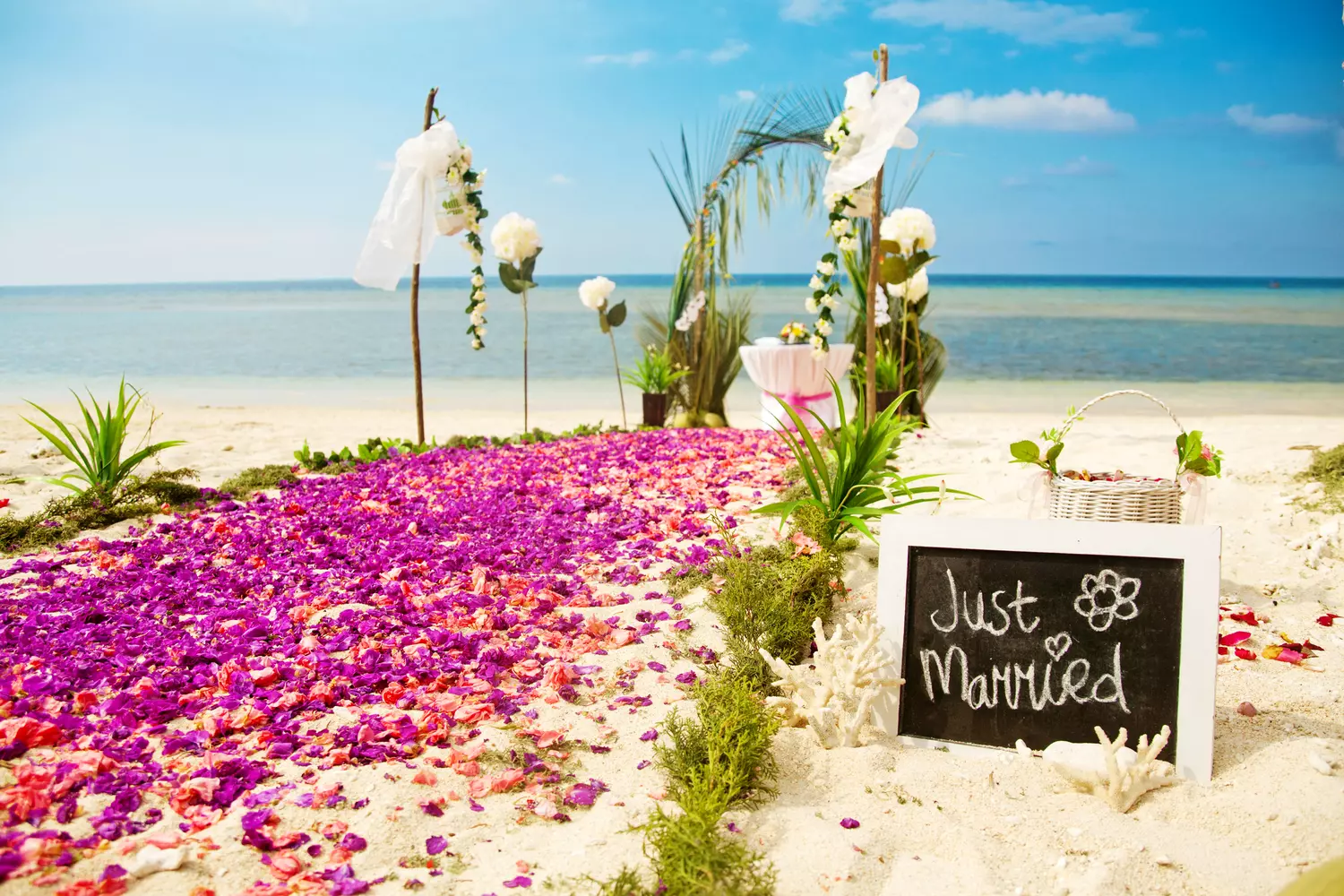
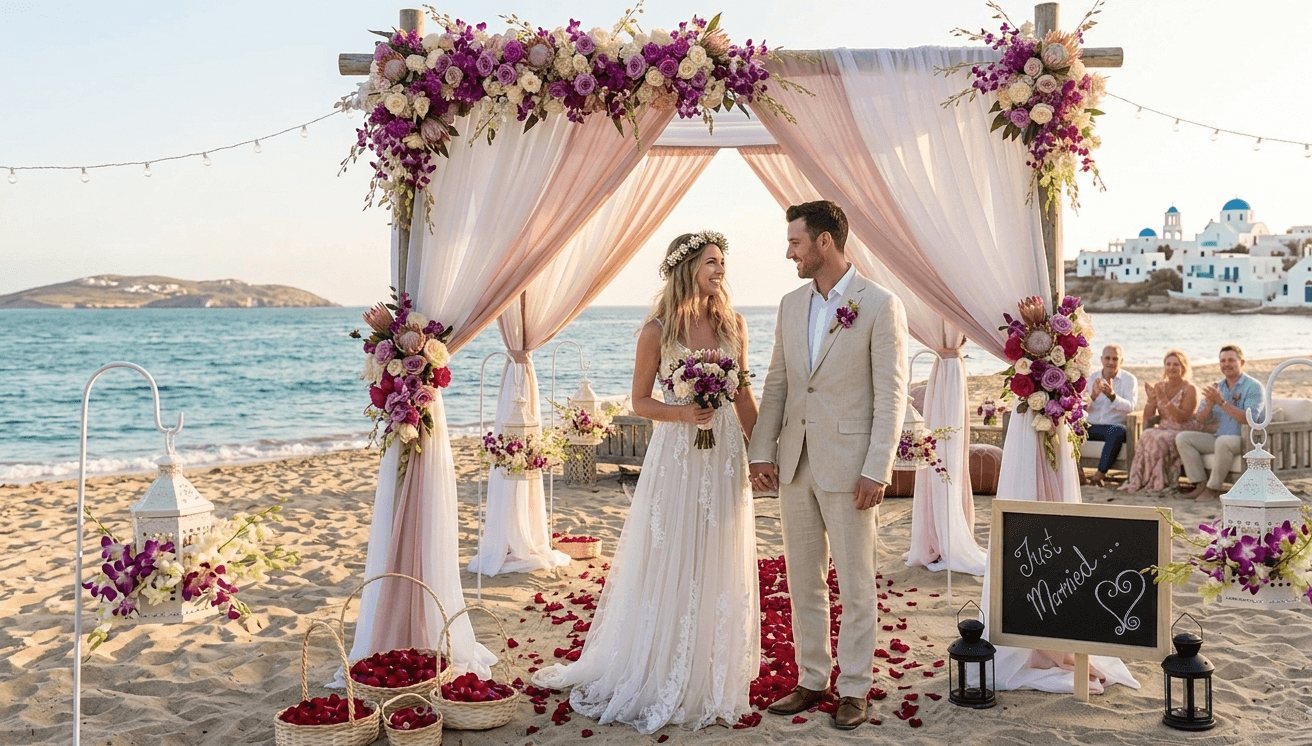
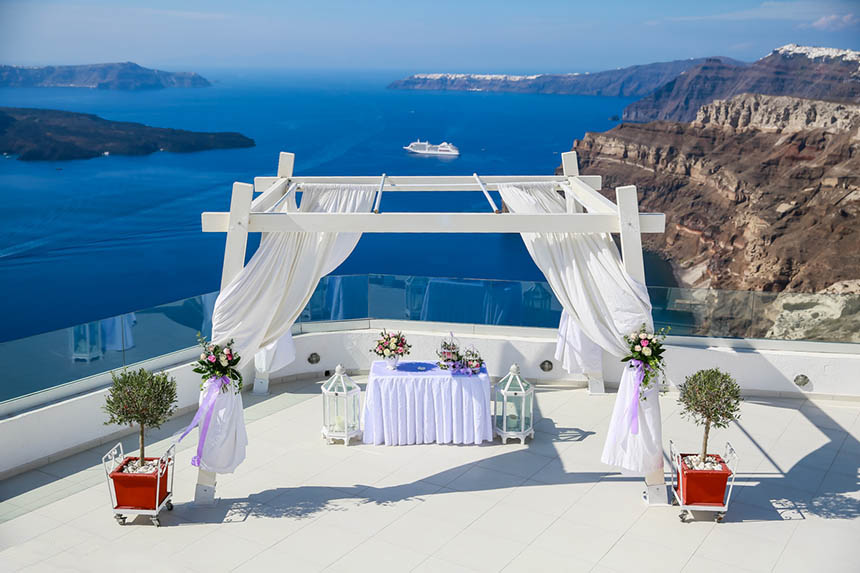
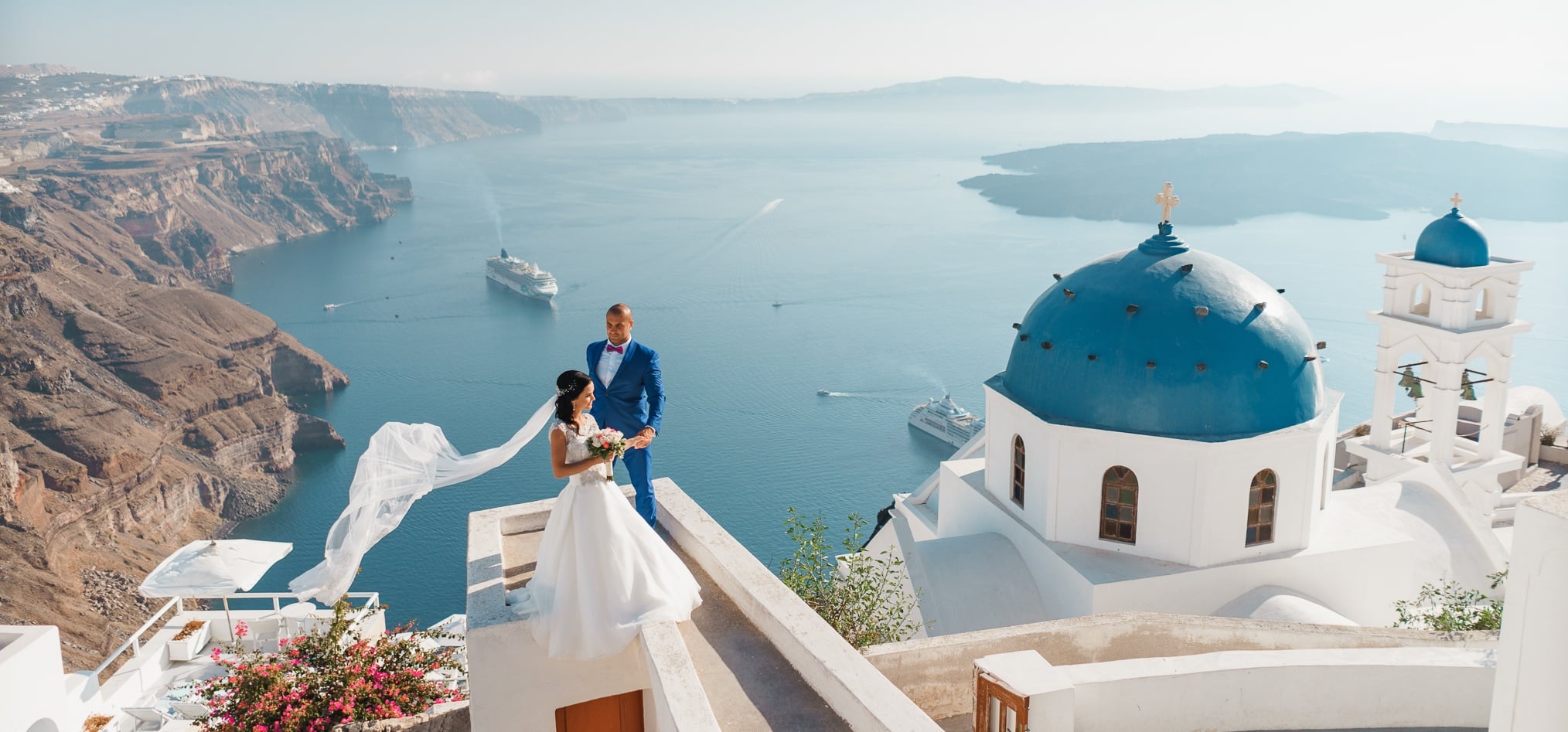
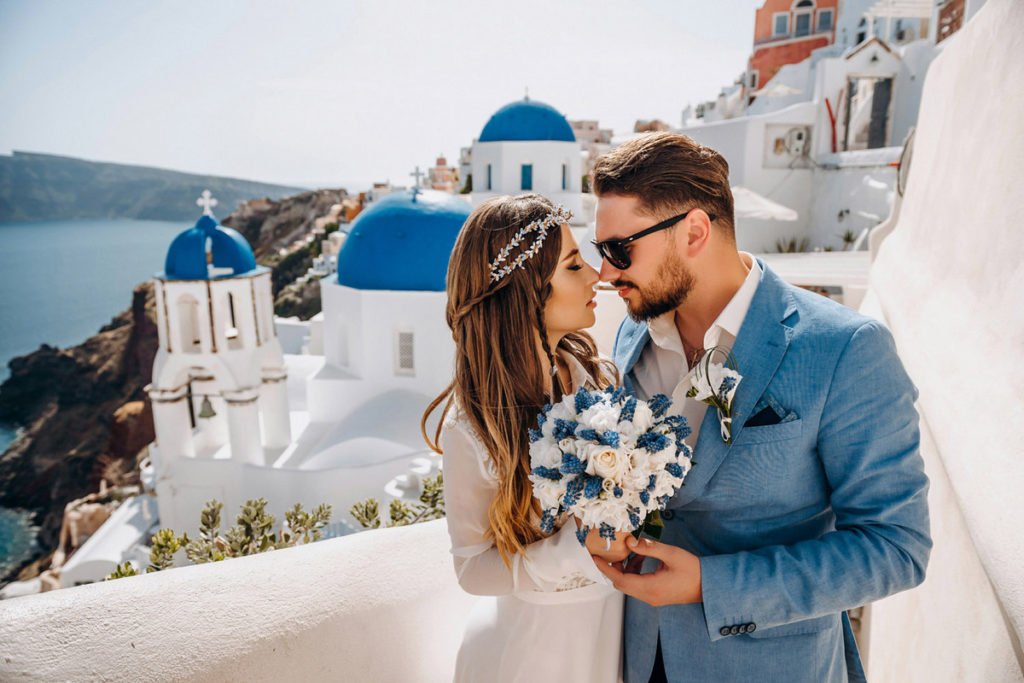
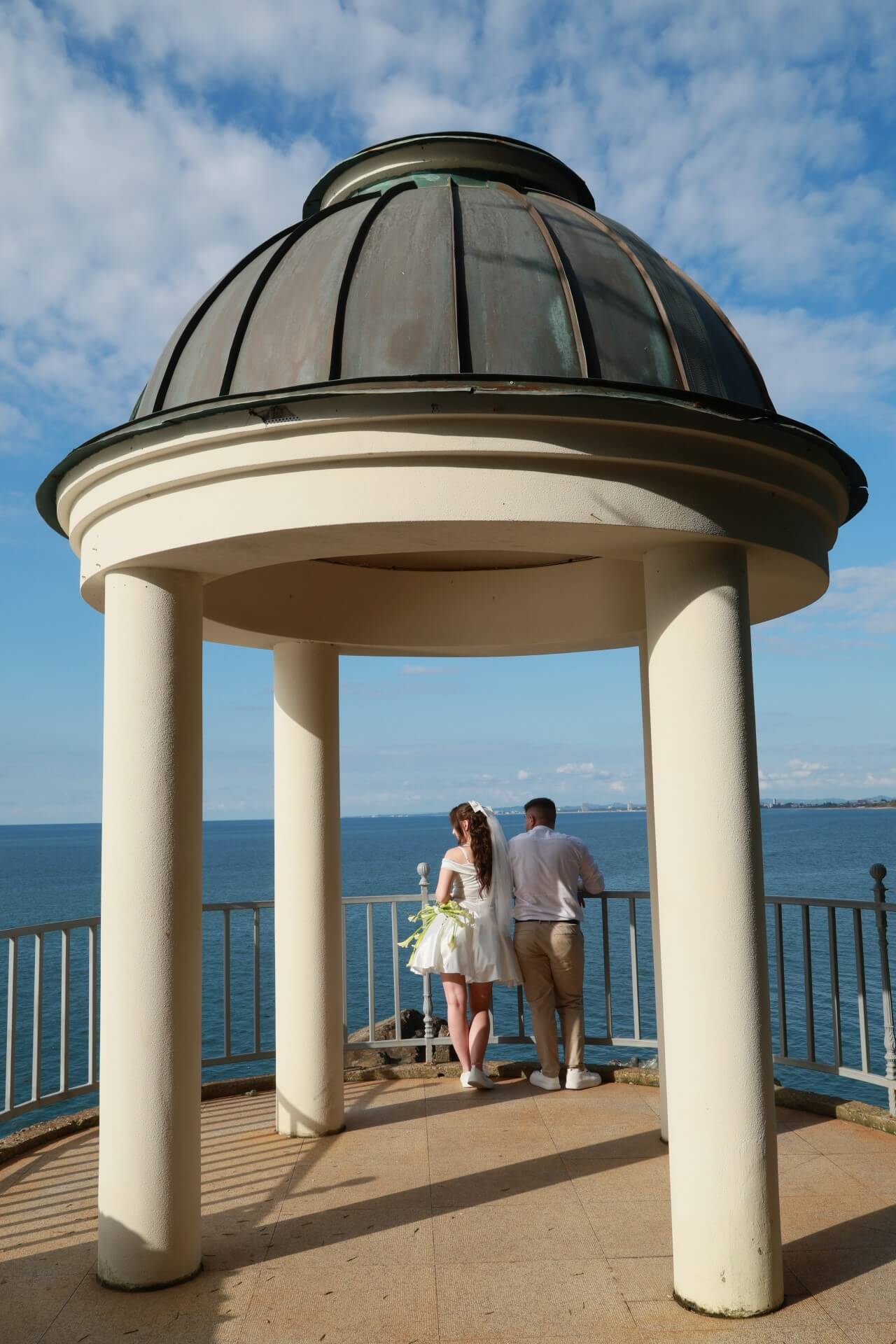
Greece offers endless sea views, whitewashed houses on the slopes of Santorini, ancient ruins, and sunsets over the Aegean Sea. A wedding there feels like a true ancient myth, where the couple becomes the main characters. Still, it’s worth noting that Georgia also has a coastline, which gives it an advantage in terms of diverse locations.
Climate and Seasonality: When is the Best Time to Plan a Ceremony?
For weddings in Georgia, the best seasons are spring (April–May) and autumn (September–October), when the weather is mild and the landscapes are especially picturesque. Summer is ideal for beach lovers, while winter suits those who enjoy active holidays at ski resorts.
Climate and seasonality in Georgia:
- Spring: mild temperatures, blooming valleys, and good venue availability.
- Autumn: golden vineyards, comfortable weather, and a wide choice of locations.
- Summer: can be quite hot, especially in Tbilisi and Kakheti, though mountain regions remain cool.
- Winter: a rare but interesting option with snowy mountains and cozy restaurants.
Climate and seasonality in Greece:
- Spring: warm but not exhausting weather, the sea is already comfortable for swimming, and tourist flow is moderate.
- Autumn: velvet season, warm sea and milder temperatures, perfect for a romantic ceremony.
- Summer: peak heat and tourist crowds, making organization more difficult and expensive.
- Winter: mild and sunny, better suited for intimate ceremonies with an emphasis on ancient atmosphere.
Comparison table: Georgia or Greece
| Aspect | Georgia | Greece |
| Legal registration | Minimum documents, fast processing (1-2 days). | Bureaucracy: certificates, apostilles, translations, publications. |
| Locations | Mountains, vineyards, ancient fortresses, wineries. | Sea views, islands, ancient ruins, villas. |
| Climate and seasonality | Optimal in spring and autumn, mild weather. | May, June and September are comfortable and picturesque. |
| Formats | From intimate ceremonies to banquets with hundreds of guests. | From intimate beach weddings to large-scale shows. |
| Infrastructure and service | Warm hospitality, affordable prices, flexibility. | Premium service, luxury, elite venues. |
| Transport and convenience | Direct flights to Tbilisi and Batumi, scenic transfers. | Developed network of airports, ferries, yachts, shuttles. |
| Style and atmosphere | The warmth of traditions, national dances, feasts. | Refinement, mythical aesthetics, a sea fairy tale. |
Want to discuss your event? Write to us!
Format options: from intimate ceremonies to large-scale wedding events
A key feature of Georgia is how well it adapts to intimate wedding formats. The Caucasus offers cozy wineries, mountain panoramas, and ancient temples, creating a sense of intimacy and warmth. It’s perfect for small gatherings focused on traditions and local cuisine. At the same time, the country also offers spacious venues for large-scale celebrations—from palaces in Tbilisi to open terraces with mountain views for hundreds of guests.
Greece has long been famous for its variety of seaside locations. Small island chapels and beaches are perfect for intimate weddings. At the same time, the country offers plenty of options for grand events. Luxury hotels in Santorini, villas in Crete, and historic palaces in Athens allow for large-scale celebrations with sea views and an ancient atmosphere. In both countries, the tourism industry is well developed, making it easy to find a venue that meets any requirements.
Documents and requirements for marriage registration by foreigners
In Georgia, non-residents only need passports and a local phone number to register a marriage. Translations and apostilles can be completed on-site. In Greece, the list of required documents is significantly longer. Couples need a certificate of no impediment, a birth certificate, a marriage announcement published in a newspaper, notarized translations, apostilles, and sometimes a residence permit along with a medical certificate.
Documents and requirements in Georgia:
- Valid passports of both partners.
- A Georgian phone number for communication.
- Translations and apostilles completed locally and notarized.
- Witnesses are required, but they can be provided by an agency.
- Registration can be completed within one day; apostille takes up to a week.
- A Georgian marriage certificate is recognized in most countries after apostille.
Documents and requirements in Greece:
- Birth certificate (or notarized copy).
- Certificate of no impediment.
- Publication of a marriage announcement in a local newspaper.
- Certificate from a consulate for foreigners.
- Divorce or death certificate if previously married.
- Passport or ID.
- All documents must be translated into Greek and notarized.
Wedding infrastructure and service level
Georgia’s wedding infrastructure stands out for its heartfelt hospitality and national flavor. The Caucasus offers historic wineries, mountain views, and grand palaces. Wedding agencies provide full-service packages—from fast legal registration to large-scale celebrations with hosts, musicians, florists, and photographers. The service level is high while prices remain relatively affordable.
In Greece, the wedding industry is focused on luxury. Budget ceremonies are harder to organize. However, Greek islands, villas, and high-end hotels create an atmosphere of exclusivity, where every detail—from decor to entertainment—is carefully curated. The service level is typically premium, with a strong emphasis on sea views and ancient cultural heritage.
Flights, transfers, convenience for guests
Georgia has major airports in Tbilisi and Batumi with direct flights from many European capitals. Transfers within the country are easy to arrange—from cars to minibuses, especially to wineries and mountain locations. However, due to the landscape, travel times can be long. On the other hand, even a simple drive offers stunning views of mountain passes and historic villages.
Greece has a more developed transport infrastructure. International airports are located in Athens and Thessaloniki, and many islands receive flights as well. Ferries and domestic flights make it easy to reach Santorini, Crete, or Rhodes. Guests can enjoy premium transfers, including private yachts and limousine services.
The Best Regions for a Wedding: Where to Find the Perfect Location
Both countries offer incredible locations, but Georgia stands out for its mountains, while Greece is renowned for its sea.
Best regions and cities for weddings in Georgia:
- Tbilisi: the capital, ideal for ceremonies in historic palaces, cozy restaurants, or terraces overlooking the old town.
- Kakheti: the heart of winemaking, with vineyards and traditional estates.
- Kazbegi and Gudauri: mountain regions with breathtaking Caucasus views.
- Batumi: a seaside resort city combining beach relaxation with modern service.
Best regions and cities for weddings in Greece:
- Santorini: an iconic destination with white houses and sea views.
- Crete: the largest island with beaches, villas, and premium hotels.
- Halkidiki: a peninsula with beautiful beaches and rich history.
- Athens: the capital combining ancient architecture with modern infrastructure.
Georgian Flavor vs. Greek Atmosphere: Wedding Style, Traditions, and Aesthetics
In conclusion, the Caucasian wedding style is built on warmth and tradition. Georgia offers wine rituals, heartfelt toasts, unique cuisine, and national dances, turning a wedding into a lively celebration. Greece represents the opposite approach—focused on luxury. Traditions there are more restrained and European, but the aesthetics are refined and sometimes mythological, creating a sense of something both timeless and premium.