Where is it better to register a marriage – Georgia vs Romania

Table of Contents
- Why couples choose Georgia for their official marriage
- Legal status of marriages concluded in Romania and Georgia
- Is a marriage registered in Georgia recognized in European countries?
- A table listing documents required for marriage legalization in Romania and Georgia
- The main differences between the marriage registration procedures in Romania and Georgia
- Why is it faster to formalize a union in Georgia?
- Common Mistakes When Registering Marriage in Romania and Georgia
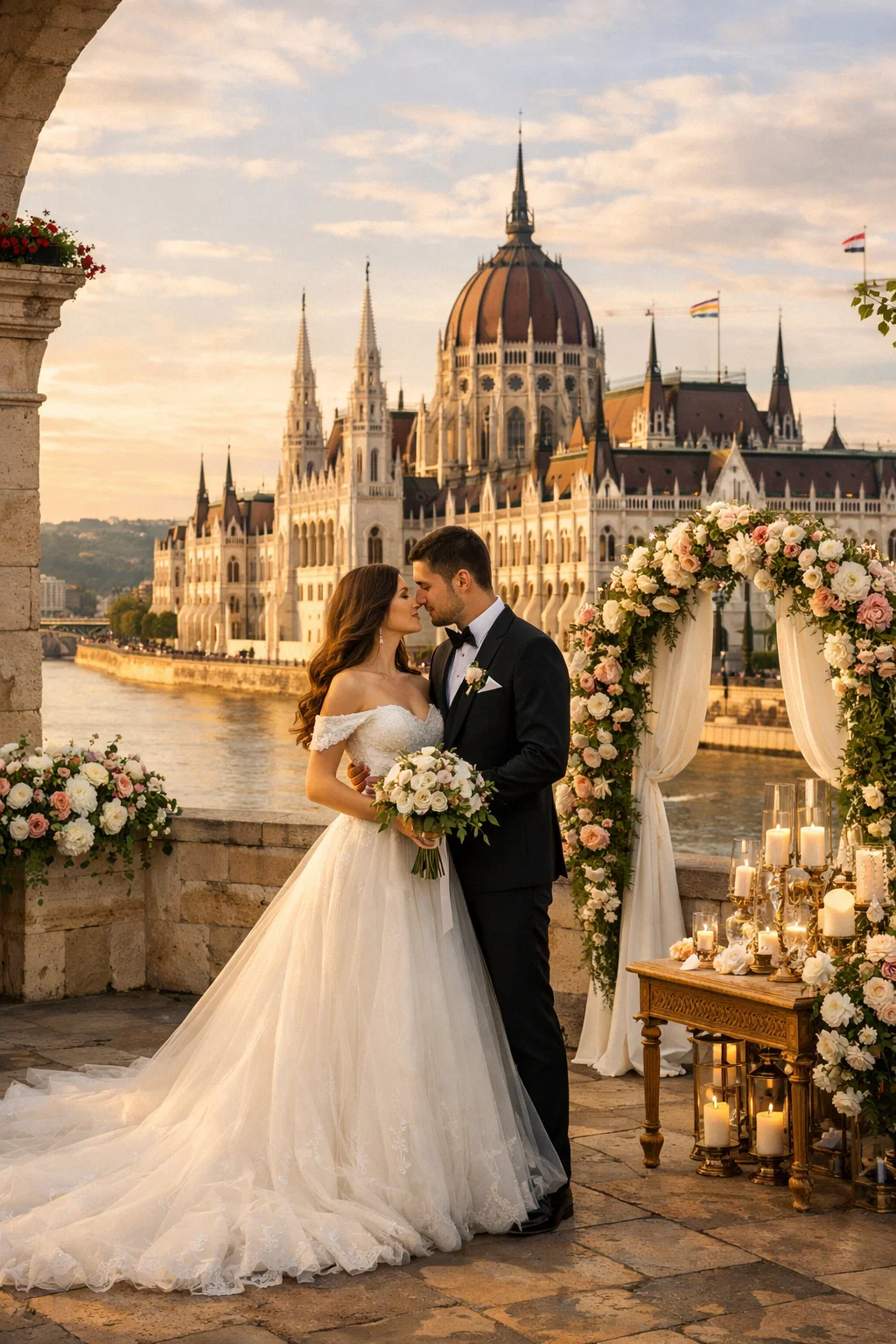
Couples choose Georgia for marriage registration thanks to its simple legal procedures, picturesque locations, and the authentic atmosphere of famous Caucasian hospitality. In this country, marriage registration is completed as quickly as possible and without unnecessary bureaucracy, which is especially convenient for foreigners. For many couples, Georgia’s stunning nature—mountains, vineyards, and the Black Sea coast—is an additional advantage, turning the ceremony into a bright and memorable event. A wide variety of locations combined with Caucasian cuisine and quality wine creates a festive atmosphere appreciated by couples from all over the world.
Why couples choose Georgia for their official marriage
First and foremost, couples prefer Georgia because the registration process here is simplified to the maximum. Marriage documents are recognized in many countries worldwide, and the ceremony itself can take place either in the scenic countryside, where traditional Georgian customs prevail, or in the capital city, following modern standards.
Five reasons why Georgia is the best place to register a marriage:
- Simplicity and speed of registration – foreign couples only need to provide their passports; all other procedures (translations, apostille) are handled by the agency.
- International recognition – marriage certificates issued in Georgia are recognized in many countries, including European states, Israel, and CIS countries.
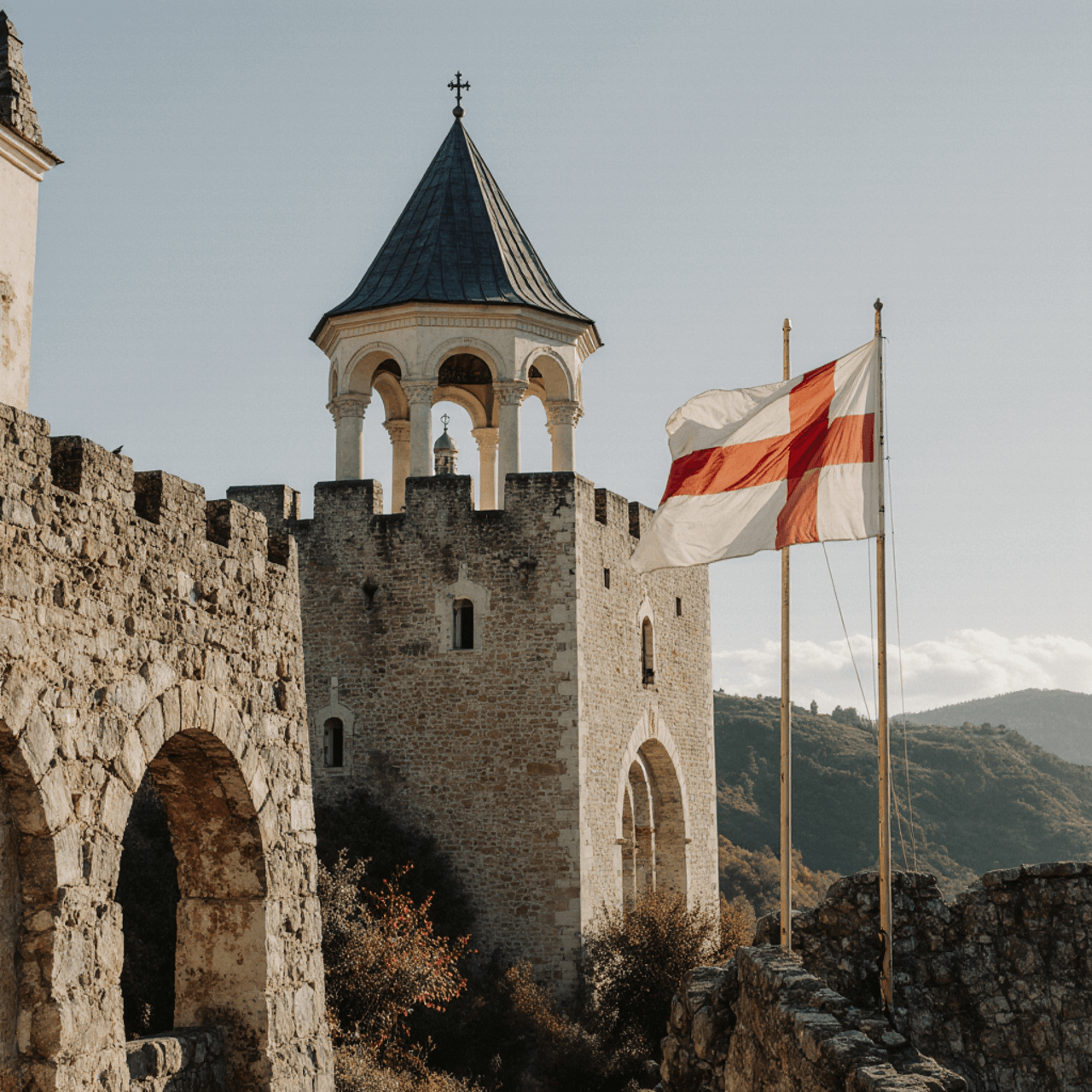
- Atmosphere and locations – couples highly value the picturesque landscapes: the Caucasus Mountains, the vineyards of Kakheti, the historic streets of Tbilisi, and the Black Sea coast of Batumi.
- Cost and service packages – the average price of official registration with an apostille is around USD 500.
- Hospitality and culture – Georgia is famous for its warmth and ancient traditions, making the ceremony not just a formality, but a true celebration remembered for a lifetime.






Legal status of marriages concluded in Romania and Georgia
A marriage concluded in Romania has full legal force within the country and is automatically recognized in all European Union member states. This is due to Romania operating within unified European regulations. As a result, spouses receive a full range of rights—from joint residence and inheritance to social guarantees available within the Eurozone.
To have such a marriage recognized outside the European Union, an apostille or consular legalization is required. However, within the Eurozone, no additional procedures are necessary. Foreign citizens may marry in Romania under the same conditions as local residents, but for foreigners the process involves significant bureaucratic obstacles. A large set of documents is required, including certificates of marital status and, in some cases, medical certificates.
In Georgia, the situation is not just different—it can confidently be called the opposite. Marriage registration here is максимально simplified even for foreigners and takes minimal time. The process can be made even easier by using the services of wedding agencies, which are significantly more affordable than in Europe. Foreign couples only need their passports; translations and the apostille are handled by the agency, eliminating bureaucratic hassle. Marriage certificates issued in Georgia are recognized in many European countries, CIS states, and the Middle East, provided an apostille is obtained.
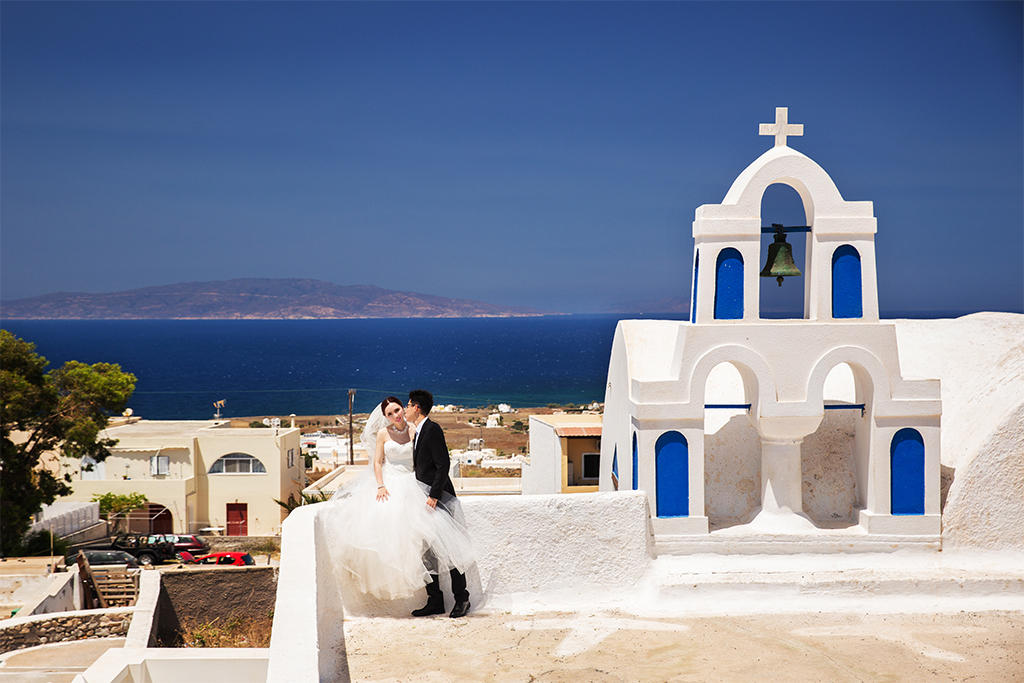
Thanks to flexible legislation and scenic locations, Georgia has become a popular destination for couples from all over the world who want to combine a simple legal procedure with a beautiful and unconventional ceremony. Thus, marriage in Romania offers strong legal certainty within the European Union, while marriage in Georgia stands out for its simplicity, affordability, speed, and international recognition—provided the documents are properly legalized.
Is a marriage registered in Georgia recognized in European countries?
A marriage registered in Georgia is legally valid within the country. It can also be recognized in the European Union, but only after completing the international legalization procedure. It is important to note that Georgian marriage certificates are issued by official state authorities and are valid legal documents. To have legal force abroad, an apostille is mandatory. Georgia is a party to the 1961 Hague Convention, meaning that an apostille makes the document valid in all EU member states and other convention countries.
In practice, this means that a couple officially married in Tbilisi or another Georgian city can use the certificate in Europe, for example, to register family status, purchase joint property, or confirm inheritance rights. In EU countries, including Romania, such marriages are recognized at the state level after the apostille without additional verification. However, a translation of the marriage certificate into the local language—often notarized—may be required.
In summary, a Georgian marriage is not only recognized in Europe but is considered legally equivalent to a marriage concluded in any other country, provided all formal requirements are met. This makes Georgia an attractive destination for international couples: the registration process is faster and simpler, while the result is valid in most countries worldwide.





Want to discuss your event? Write to us!
A table listing documents required for marriage legalization in Romania and Georgia
| Country | Basic documents | Additional Requirements |
| Romania | International passports of both spouses.
Birth certificate (with apostille and Romanian translation). Marital status document (certificate stating that the applicant is not married). Medical certificate of health. A standard application to the Civil Registry Office. |
All documents must be translated into Romanian and notarized.
If necessary, an apostille or consular legalization is required. Registration takes place at the local civil registry office where one of the spouses resides. |
| Georgia | The bride and groom’s international passports.
Application to the civil registry office. Georgian phone number (for communication and registration). If necessary, a divorce certificate or death certificate of the previous spouse. |
Documents are translated into Georgian and notarized.
Apostille is available for international recognition. The procedure is extremely simplified; passports are often sufficient. |
Want to discuss your event? Write to us!
The main differences between the marriage registration procedures in Romania and Georgia
Romanian authorities require a more extensive set of documents: passports, birth certificates, certificates of marital status, and sometimes medical certificates. Georgia, by contrast, usually requires only passports, while translations and apostille services are often handled by agencies.
Other key differences include:
- In Romania, applications must be submitted in advance, with mandatory waiting periods before the ceremony.
- In Georgia, the process can take just one day, without long waiting periods.
- A Romanian marriage is automatically recognized in all EU countries without additional procedures.
- To recognize a Georgian marriage certificate in Europe, an apostille and notarized translation are required.
- In Romania, ceremonies take place exclusively at official registry offices.
- In Georgia, ceremonies can be held not only in marriage houses but also at scenic locations such as mountains, vineyards, historic towns, and villages.
- The Romanian procedure is highly bureaucratic but ensures legal stability within the EU.
- Marriage registration in Georgia is simpler and faster, making the country popular among international couples seeking convenience and a unique atmosphere.
Why is it faster to formalize a union in Georgia?
Marriage registration in Georgia is faster due to simple rules and minimal bureaucracy. Tbilisi has deliberately simplified the process for foreign couples, so in most cases only passports are required. All additional procedures, such as translations and apostille, can be handled by specialized wedding agencies for a modest fee.
Unlike many European countries, where couples must gather marital status certificates, medical documents, and submit applications months in advance, Georgia allows registration in as little as one day. This legislative flexibility makes the country attractive for those who want not only to formalize their relationship legally but also to combine it with a romantic trip and a beautiful ceremony in true Caucasian style. That is why Georgia has become such a popular destination for couples who value speed, convenience, festive atmosphere, and—most importantly—affordable prices.
Common Mistakes When Registering Marriage in Romania and Georgia
When registering a marriage in a European country, couples often encounter problems related to underestimating strict bureaucratic requirements. Many foreigners fail to consider that Romania requires a large package of documents, all of which must be translated into Romanian and notarized. A common mistake is missing application deadlines. Romania has a mandatory waiting period, and attempts to speed up the process may raise suspicion among authorities, sometimes resulting in refusal.
In Georgia, the situation is very different. The procedure is significantly simpler, but common mistakes are usually related to international legalization. Foreign couples sometimes forget to obtain an apostille or make a notarized translation of the marriage certificate, which leads to non-recognition of the document in Europe or other countries.
Another frequent mistake is using unreliable agencies that promise to “do everything quickly, cheaply, and safely” but fail to process documents correctly. As a result, the marriage may lose its legal validity abroad.
In conclusion, in Romania—as in other EU countries—the main challenge lies in strict bureaucracy and thorough preparation. Georgia attracts couples with a simple domestic process, but there is a risk of errors during international legalization.